What are hematopoietic stem cells?
A plain-language guide to the biology at the heart of our research, written for anyone who wants to understand what HSCs are, what they do, and why they matter.
Blood is one of the most dynamic tissues in the human body. Every day, your bone marrow produces hundreds of billions of new cells, replacing red blood cells that carry oxygen, white blood cells that defend against infection, and platelets that stop bleeding. This continuous renewal depends on a rare population of master cells tucked away in the bone marrow, called hematopoietic stem cells, or HSCs.

The blood system
Your blood performs an extraordinary range of tasks. Red blood cells deliver oxygen from your lungs to every cell in the body. White blood cells, including T cells, B cells, neutrophils, and macrophages, form the immune system's front line against infection, cancer, and foreign invaders. Platelets patrol the bloodstream and rush to seal any breach in a blood vessel.
These cells are not long-lived. Red blood cells survive about 120 days; neutrophils live only hours to days. Your body must continuously replace them, at a rate of roughly 500 billion new blood cells per day in a healthy adult.
Your bone marrow produces around 500 billion new blood cells every day, a continuous process that never pauses from before birth until death.
What are hematopoietic stem cells?
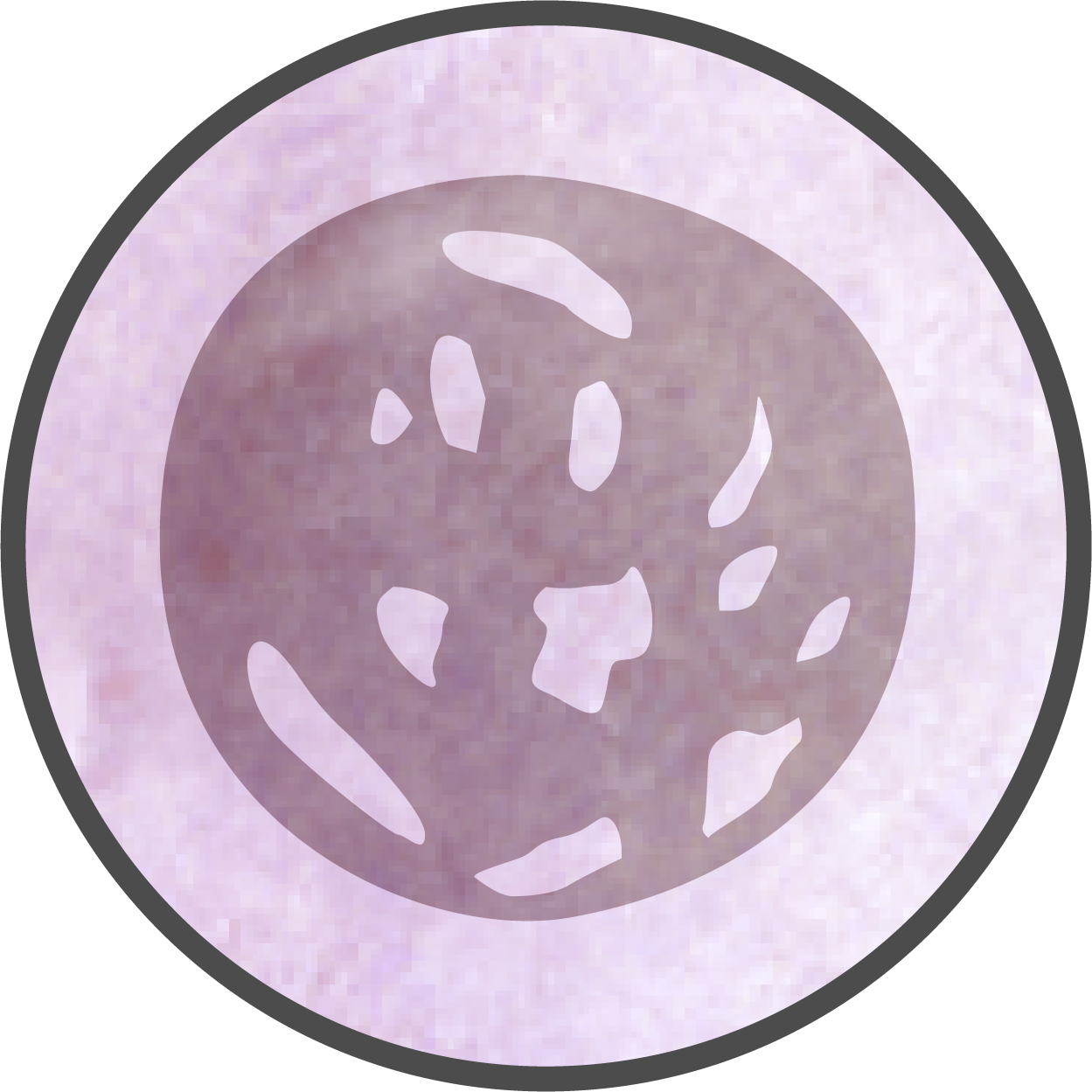
All of those billions of new blood cells each day trace back to a single, extraordinarily rare cell type: the hematopoietic stem cell. "Hematopoietic" comes from the Greek for blood-forming, and that is exactly what these cells do.
HSCs live primarily in the bone marrow, the spongy tissue inside large bones like the pelvis, sternum, and femur. They are vanishingly rare: in a healthy adult, only about 1 in 10,000 bone marrow cells is a true HSC. Yet this tiny population sustains the entire blood system across a human lifetime.
Two remarkable abilities
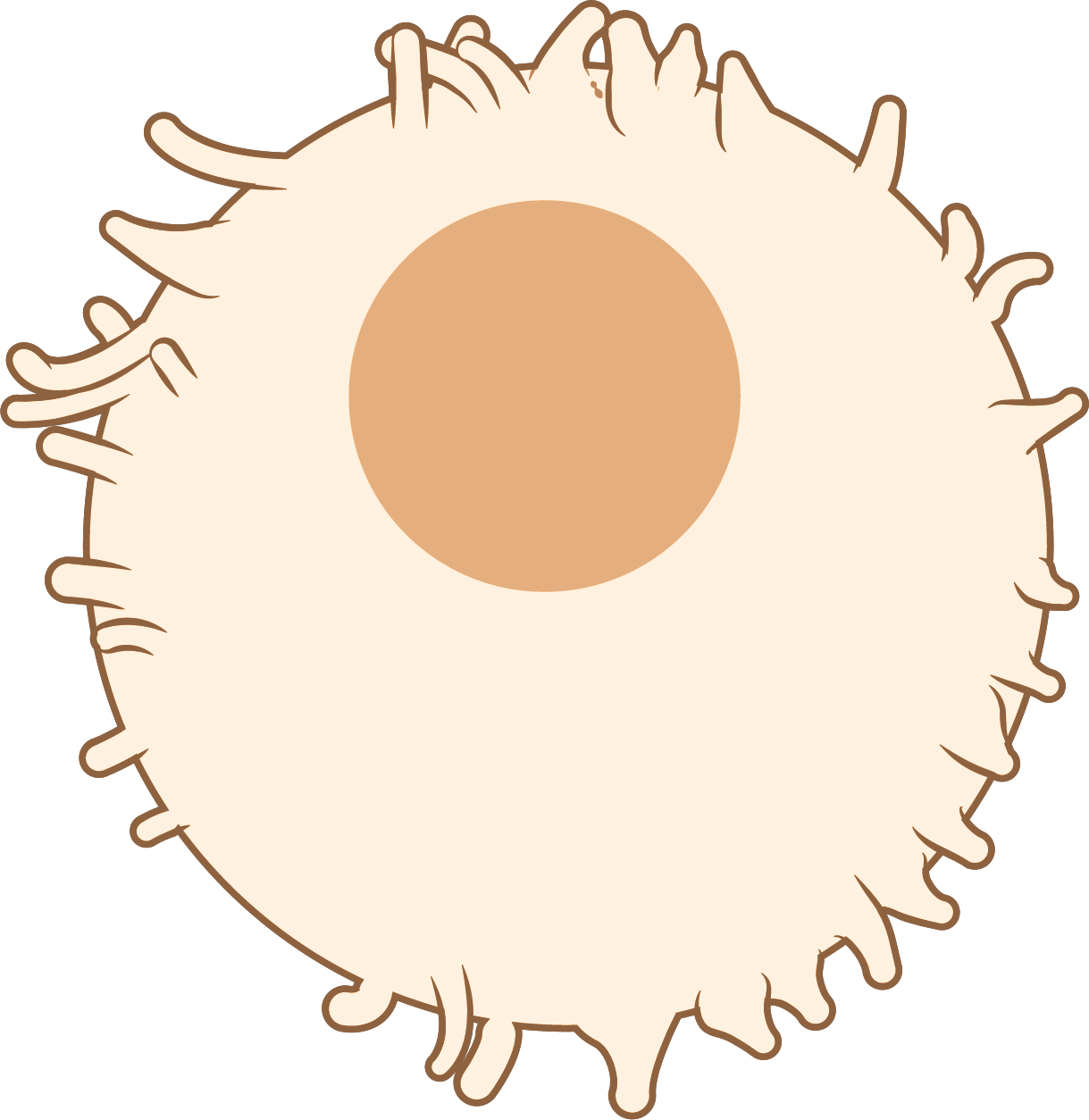
What makes HSCs special, and what defines them as stem cells, is their dual capacity to do two seemingly contradictory things simultaneously.
Self-renewal: HSCs can divide and produce exact copies of themselves. This ensures the stem cell pool is never depleted, no matter how many blood cells are needed. Without self-renewal, the HSC population would be exhausted and blood production would eventually fail.
Differentiation: HSCs can also give rise to all the specialized cell types in blood: red cells, every type of immune cell, platelets. Once committed to a particular fate, a cell progressively loses its stem cell identity and becomes a mature, functional blood cell.
Balancing these two capacities, knowing when to self-renew and when to differentiate, is one of the central puzzles in stem cell biology, and one of the central questions in our research.
The stem cell niche
HSCs do not function in isolation. They are embedded in a specialized microenvironment in the bone marrow called the stem cell niche, a community of supporting cells, blood vessels, nerves, and extracellular matrix that together create the conditions HSCs need to survive and function.
The niche acts like a control room. Signals from neighboring cells tell HSCs when to stay quiet (quiescent), when to divide, and when to begin differentiating into blood cells. Some niche cells produce growth factors that promote HSC activity; others produce factors that keep HSCs dormant, protecting them from exhaustion.
The relationship is finely balanced. Too much activation can exhaust the HSC pool over time. Too little can fail to meet the body's demand for new blood cells. Understanding what tips this balance, in aging, stress, disease, or after chemotherapy, is central to developing better treatments.
When things go wrong
When HSC function is disrupted, or when the niche that supports them breaks down, the consequences can be severe. Several serious diseases arise from failures in this system.
Aplastic anemia occurs when the immune system attacks HSCs or the bone marrow niche, destroying the body's ability to produce blood cells. Without treatment, it can be fatal.
Hematologic malignancies, including leukemia, lymphoma, and myeloma, often arise when mutations in HSCs or their descendants cause uncontrolled proliferation, producing cancerous blood cells at the expense of normal ones.
Age-related decline in HSC function contributes to anemia, immunosenescence (a weakened immune system), and increased risk of blood cancers in older adults. As we age, the number, quality, and behavior of HSCs shifts in ways that compromise the blood system.
Why this matters for treatment
A deep understanding of HSC biology opens therapeutic possibilities. Bone marrow transplantation, one of the oldest forms of cellular therapy, works by replacing a patient's diseased HSCs with healthy ones from a donor. When successful, the transplanted HSCs engraft, reconstitute the blood system, and can cure otherwise lethal diseases.
But transplantation remains risky and imperfect. Finding matched donors is difficult. Engraftment can fail. The immune system can attack the transplanted cells, or the donor cells can attack the patient, a complication called graft-versus-host disease (GVHD). Better understanding of HSCs and their niche could improve all of these outcomes.
The goal of research like ours is to develop strategies that enhance HSC function after transplantation, protect the niche from damage, and ultimately give patients safer, more durable outcomes.
The Desai Lab investigates these questions directly. Our work spans enzyme inhibition as a therapeutic strategy, sex-based differences in HSC biology, drug repurposing for transplantation, and the connection between neurodegeneration and hematopoiesis. Learn more about our research →