Desai Lab.
Case Comprehensive Cancer Center, Case Western Reserve University, Cleveland, OH
We study the rare stem cells that build your blood, and we're using what we learn to design better treatments for blood disorders.
Understanding blood stem cell biology
We study hematopoietic stem cells, the rare bone marrow cells responsible for producing every type of blood cell in the body. Despite their small numbers, these cells sustain the entire blood system across a lifetime, continuously renewing themselves while giving rise to red cells, white cells, and platelets.
These stem cells don't work alone. They live in a specialized bone marrow neighborhood called the niche, where signals from nearby cells shape their behavior. When the niche is disrupted, stem cell function deteriorates, contributing to blood disorders, bone marrow failure, and blood cancers.
A major thread running through the lab is 15-PGDH, an enzyme we've shown plays a significant role in hematopoietic regeneration. Beyond 15-PGDH, we study sex-specific differences in blood production, screen FDA-approved drugs for transplantation applications, and explore the surprising links between brain health and blood stem cell function.
What we're working on
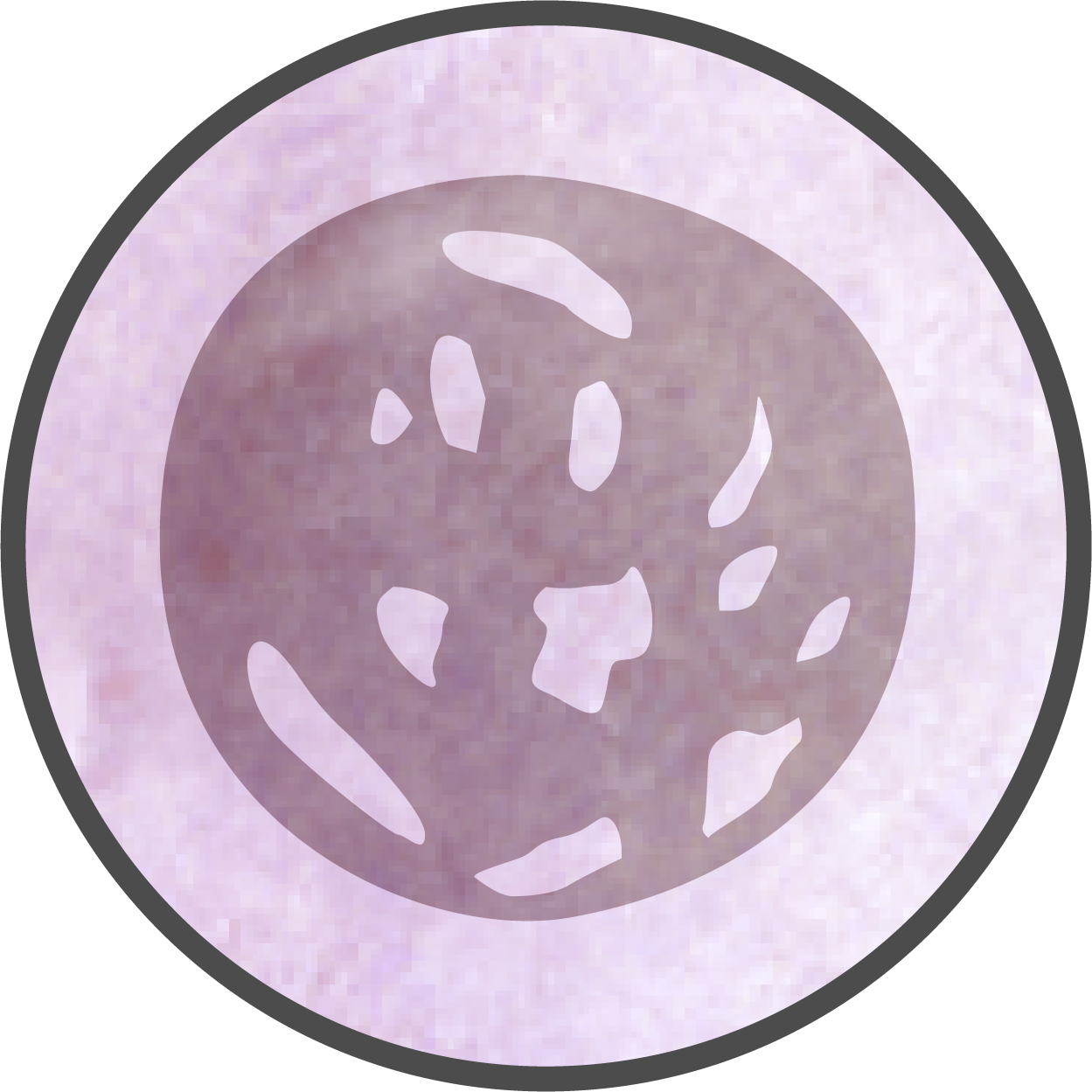
15-PGDH inhibition for hematopoietic recovery
Investigating how inhibiting 15-PGDH can boost hematopoietic regeneration following stress or aging, with applications to bone marrow transplantation and aplastic anemia.

Sexual dimorphism in hematopoiesis
Exploring sex-specific differences in blood cell production and stem cell function, with implications for personalized approaches to bone marrow transplantation.
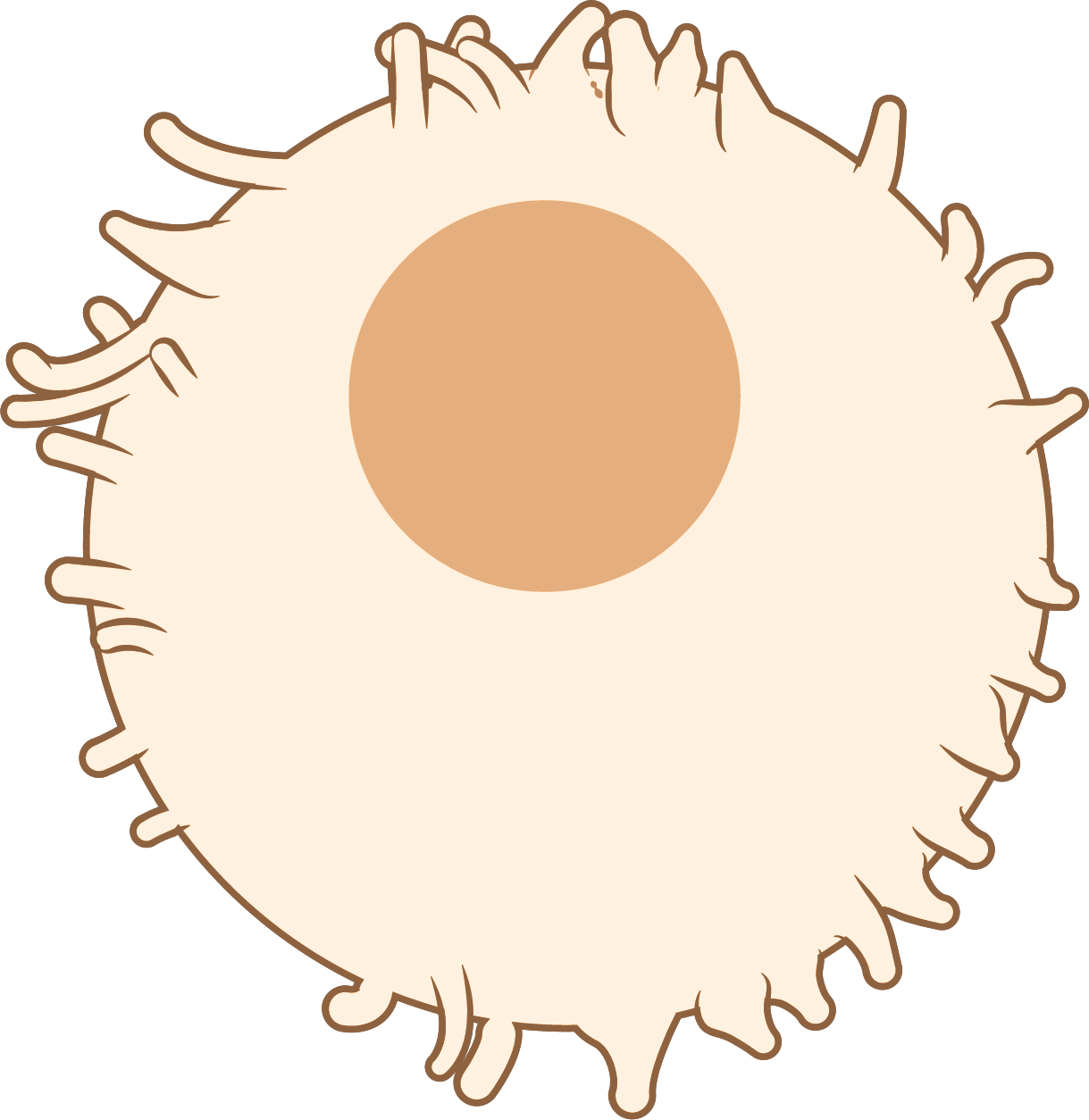
Repurposing FDA-approved drugs
Identifying existing FDA-approved therapeutics that can enhance hematopoietic function and improve recovery after bone marrow transplantation.
Selective XPO1 inhibition in inflammatory disease
Studying a new class of compounds (SITAs) that selectively block XPO1's role at chromatin, showing promise for GVHD and other inflammatory diseases.
How the brain and blood influence each other
Investigating how neurodegenerative disorders and hematopoietic function shape one another, a two-way relationship between brain injury and stem cell behavior.